
laminated and tempered glass
Understanding Pad Vibration A Key Element in Modern Technology In recent years, the advancement of technology has led to the development of various devices that have become integral to our daily lives. Among these innovations, the pad, particularly in the context of tablets, smartphones, and wearable technology, plays a crucial role. However, one often overlooked aspect of these devices is pad vibration. This phenomenon not only enhances the user experience but also serves multiple purposes in user interface design, gaming, and notifications. The Science Behind Pad Vibration Pad vibration is primarily achieved through the use of small motors, typically linear resonant actuators (LRAs) or eccentric rotating mass (ERM) motors. These components are designed to create tactile feedback, which is crucial for enhancing user interaction. When a user receives a notification, taps on the screen, or interacts with an app, the pad's motor generates a vibration, providing a physical sensation that complements the visual and auditory signals. The science behind these vibrations is rooted in mechanics. The motors create movement that converts electrical energy into kinetic energy, resulting in a feeling of vibration. This is carefully calibrated to ensure that the feedback aligns with user expectations, creating a seamless and intuitive interaction. Enhancing User Experience One of the primary reasons pad vibration is so prevalent in devices is its ability to enhance user experience. Tactile feedback serves as an informative cue that our actions have been recognized by the device. For instance, when typing on a virtual keyboard, the vibration that accompanies each key press mimics the sensation of a physical keyboard, increasing user satisfaction and productivity. Moreover, pad vibration adds an emotional dimension to interactions. In gaming, for example, players often experience vibrations that correspond with in-game events, such as explosions or collisions . This immersive experience enhances the realism of the game, making it more engaging and enjoyable. pad vibration Applications in Various Fields Beyond everyday consumer gadgets, pad vibration has found applications across various industries. In the field of healthcare, wearable devices equipped with vibration feedback can alert users to important notifications, such as reminders to take medication or alerts for low heart rates. These devices offer a discreet way to stay informed without the need for visual or auditory alerts, catering to the needs of diverse users. In addition to healthcare, the automotive industry has also adopted pad vibration technology in infotainment systems. Drivers can receive tactile feedback when navigating through menus or receiving alerts, allowing them to stay focused on the road while interacting with their devices. Challenges and Future Developments Despite its advantages, the implementation of pad vibration is not without challenges. Balancing the intensity and duration of vibrations to cater to different user preferences while also conserving battery life is a critical concern for manufacturers. Additionally, as technology continues to evolve, the demand for more advanced and varied haptic feedback experiences is increasing. Innovations in this space include the development of haptic feedback systems that can simulate textures and more complex vibrations, providing a richer user experience. Researchers are also exploring how to use vibrations to convey information in novel ways, such as using varying patterns to signify different levels of urgency. Conclusion In conclusion, pad vibration is more than just a fun feature; it is a pivotal component of modern interaction and communication technologies. By providing tactile feedback, enhancing user experience, and opening up new applications across various industries, pad vibration technology continues to evolve and improve. As we look to the future, the advancements in this field will not only make our devices more responsive but will also redefine how we interact with the digital world. As users, we can expect even more innovative and intuitive experiences that leverage the power of vibration to make technology feel more human.
about
laminated and tempered glass
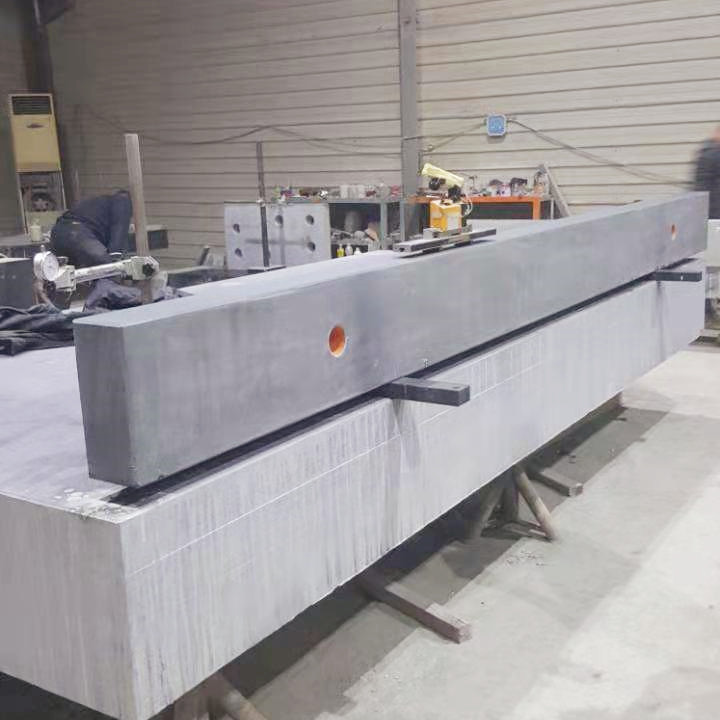
Understanding T-Slot Cast Iron Surface Plates T-slot cast iron surface plates are essential tools in precision engineering and manufacturing industries. They serve as flat, level surfaces that provide a stable base for various machining, assembly, and inspection processes. These plates are typically made from high-quality cast iron, known for its excellent stability and rigidity, making them an ideal choice for tasks that require utmost precision. The Structure and Design The defining feature of a T-slot surface plate is its T-shaped grooves. These grooves are strategically cut into the surface of the plate, allowing for the easy attachment of various fixtures and tools. This design not only enhances the versatility of the surface plate but also facilitates the secure positioning of workpieces during assembly or inspection. The T-slots provide flexibility in accommodating different setups, enabling machinists to customize their workspace according to the specific needs of their projects. Material Properties Cast iron is favored in the manufacturing of surface plates due to several inherent properties. Firstly, it is extremely durable and can withstand significant weight and pressure without warping or deforming. This durability ensures that the surface plate maintains its flatness over time, which is crucial for ensuring the accuracy of measurements and machining operations. Secondly, cast iron has a natural ability to dampen vibrations, which is key in high-precision tasks. Vibrations from nearby machines can significantly affect the accuracy of measurements and the quality of manufactured parts. A cast iron surface plate effectively minimizes these disturbances, contributing to more reliable results. Additionally, cast iron’s thermal stability plays an important role in maintaining accuracy . Surface plates made from this material can tolerate fluctuations in temperature without expanding or contracting, which helps in preserving the integrity of measurements. t slot cast iron surface plate Applications T-slot cast iron surface plates have a wide range of applications across various industries. In machining operations, they are used as reference planes for setups, ensuring that components are precisely aligned. In quality control, they serve as the basis for inspections, where measuring devices and gauges can be firmly mounted to verify the dimensions of manufactured parts. Moreover, these surface plates are prevalent in assembly processes, where they provide a stable platform for the construction of machines and equipment. Their versatility allows engineers and technicians to carry out multiple functions with a single tool, thereby enhancing productivity and efficiency. Maintenance and Care To ensure the longevity and effectiveness of T-slot cast iron surface plates, proper maintenance is essential. It is important to keep the surface clean and free of debris to avoid scratches or damages. Regularly checking the flatness of the plate is also crucial, as any deviation can lead to inaccuracies in measurements and processes. Applying a light coat of oil on the surface can help protect it from rust and corrosion, especially in environments with high humidity or exposure to other compromising elements. When stacking or storing surface plates, it is imperative to use protective padding to prevent any potential impacts that could cause dents or warping. Conclusion T-slot cast iron surface plates are invaluable assets in the world of precision engineering. Their robust design, material properties, and versatile applications make them indispensable in achieving high-quality results in manufacturing and assembly operations. With proper care and maintenance, these surface plates can serve industries effectively, helping to ensure accuracy and reliability in various processes. As technology advances, the significance of such tools in maintaining standards of precision will only continue to grow.
-

High quality industrial productsagement

High quality industrial products
View Details -

Meet the diverse needs of customers

Meet the diverse needs of customers
View Details -

Strict quality control

Strict quality control
View Details -

Top raw materials

Top raw materials
View Details -

Trusted supplier

Trusted supplier
View Details
Our application


news and information
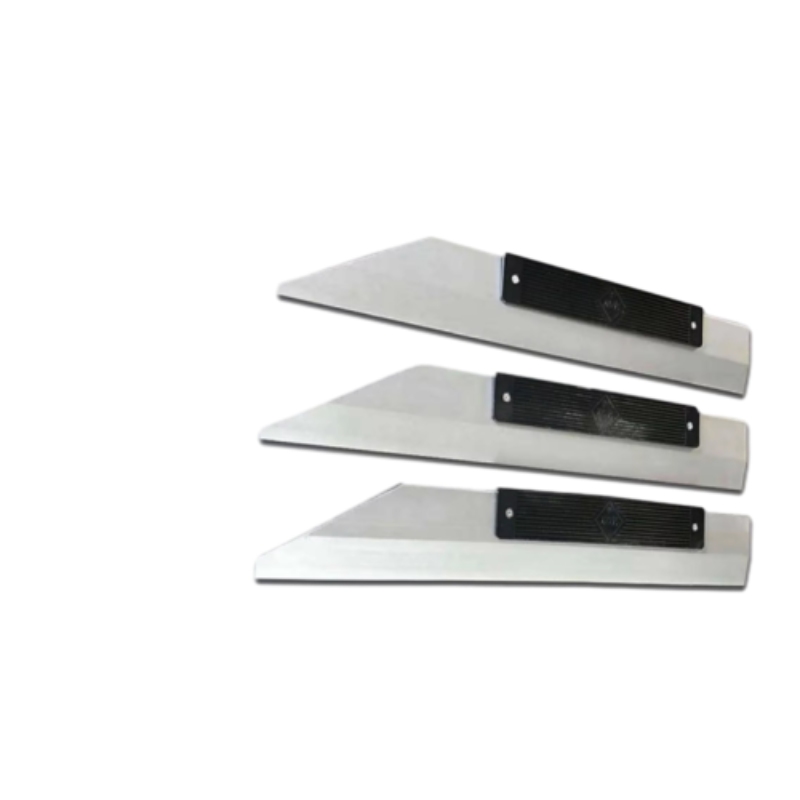
Why the Right Angle Ruler Reigns in Metalworking
In the high-stakes world of metal fabrication, machining, and welding, precision isn't just desirabl

y type strainer with drain valve
Understanding Y-Type Strainers with Drain Valves The Essential Component for Fluid Management In var

Versatile Thread Measurement Tool for Accurate Adjustable Gauge Specifications
Understanding Adjustable Thread Gauges An Essential Tool in Precision Engineering In the realm of pr
 English